No products in the cart.

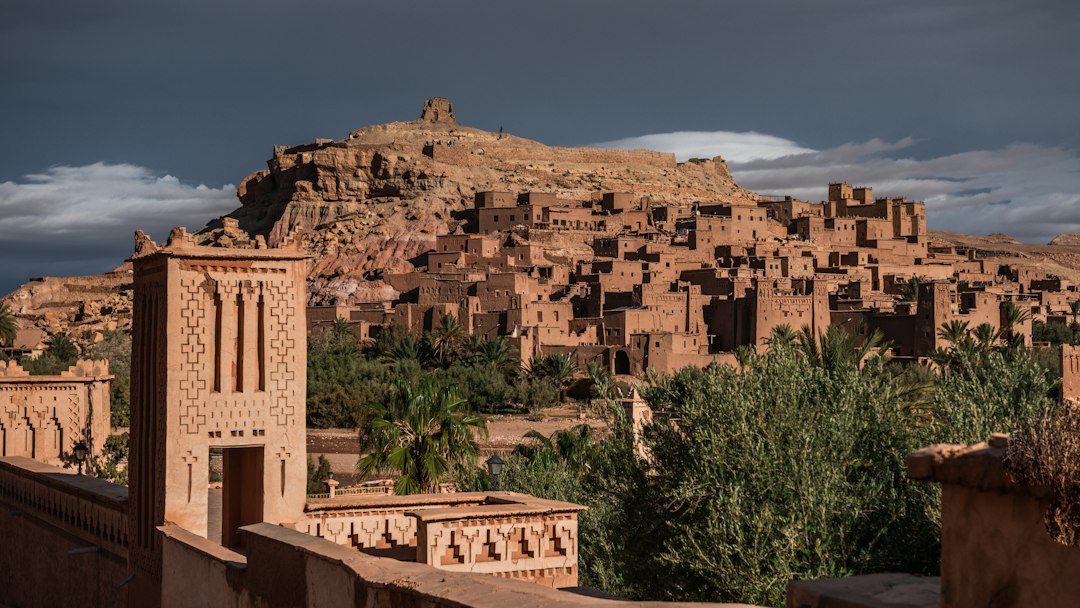
Aït Ben Haddou is a very different excursion from an Agafay evening or a nearby valley walk. The journey takes you over the High Atlas into southern Morocco, where a historic fortified settlement built mainly with earth stands above the Ounila Valley. It is a rewarding option if architecture, mountain landscapes and cultural heritage are more important to you than a short drive.
What is Aït Ben Haddou?
The Ksar of Aït Ben Haddou is a fortified group of traditional earthen buildings in the Ouarzazate region. Its walls, compact dwellings and corner towers illustrate pre-Saharan construction methods. UNESCO placed the site on the World Heritage List in 1987, recognising its importance as an example of southern Moroccan architecture. Read UNESCO’s official description of the ksar.
A ksar is not a single castle: it is a settlement, historically combining homes, community spaces and defensive elements. This distinction makes the visit more meaningful than simply stopping for a photograph.
What does the journey from Marrakech involve?
Travelling from Marrakech to Aït Ben Haddou normally involves crossing the High Atlas by road. The route is a large part of the experience, with changing scenery as the landscape shifts from mountain valleys to drier southern terrain. Expect an early departure and a full day rather than a quick outing. Journey times depend on mountain weather, traffic, road conditions, stops and your exact departure point.
Travellers who prefer a shorter nature excursion may find an Ourika Valley and Atlas Mountains day trip more comfortable. Those who want a longer desert journey can compare a three-day Merzouga Sahara adventure. These are distinct experiences rather than interchangeable versions of the same tour.
How to explore the ksar respectfully
Take time to look at the architecture, narrow passages and hillside setting. Some of the pathways and steps are uneven and exposed to the sun. Wear secure walking shoes, carry drinking water and allow a flexible pace. Do not assume every part of the site will be suitable for visitors with limited mobility; ask about the planned walking route before reserving.
The site is a heritage place as well as a visitor attraction. Follow any local access instructions, respect occupied spaces and ask before photographing people.
Best time of day and seasonal planning
Light across the earthen walls can be particularly attractive outside the harshest midday sun. However, a trip starting in Marrakech may have fixed arrival and return times. In summer, bring sun protection; in cooler months, consider additional layers for the mountains. After heavy rain or during adverse mountain weather, journey times and access can change. Always check local forecasts and your provider’s operating arrangements close to travel.
What to check before booking an Aït Ben Haddou day trip
- Transport: Is Marrakech hotel pickup included, or is there a meeting point?
- Route and stops: Does the itinerary actually allow time to walk around the ksar, or only a viewpoint stop?
- Guiding: Is a local guide included, optional or paid separately?
- Meals and entry costs: Ask which expenses are part of the quoted tour price.
- Walking and accessibility: Tell the operator if steps or uneven surfaces are a concern.
- Return time: Allow flexibility rather than arranging a tightly timed evening plan.
For the current inclusions and booking options, see the Aït Ben Haddou and Atlas Mountains tour on LuxuryAirs. The individual listing takes priority over generic travel advice for pickup, pricing and what is included.
Is a day trip enough, or should you stay overnight?
A day trip can work for visitors whose Marrakech itinerary is limited and who are comfortable with a longer road journey. An overnight route is more relaxed when you want multiple cultural stops or extra time in the Ouarzazate region. Think about how much of the day you want to spend inside a vehicle, not only about how many destinations appear on an itinerary.
Frequently asked questions
Is Aït Ben Haddou part of the Sahara dunes?
No. It is a historic ksar in a pre-Saharan setting, not the Erg Chebbi dunes at Merzouga. Read the Agafay versus Sahara comparison if you are deciding between types of landscapes.
Is Aït Ben Haddou suitable for families?
Many families enjoy heritage visits, but the long road journey and uneven pathways matter. Check the proposed walking route and transport arrangements for your group.
Can I combine it with the Atlas Mountains?
Yes, mountain scenery is part of the approach from Marrakech. The exact stopping points depend on the tour you select.
Source and fact-check: Architectural and UNESCO-listing details are based on the UNESCO World Heritage Centre. Practical travel guidance is general and can change with road conditions and tour inclusions.
Related stories
- 21 Oct, 2026
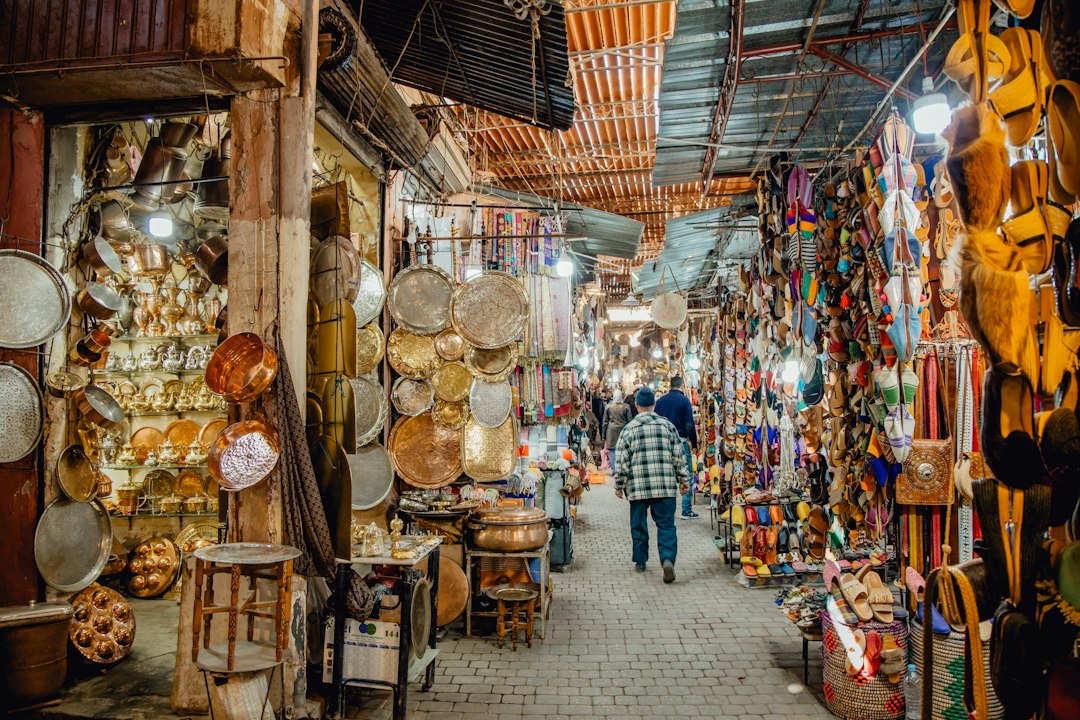
Plan three memorable days in Marrakech with Medina souks, Moroccan food, an Agafay sunset, gardens and easy day...
- 21 Oct, 2026
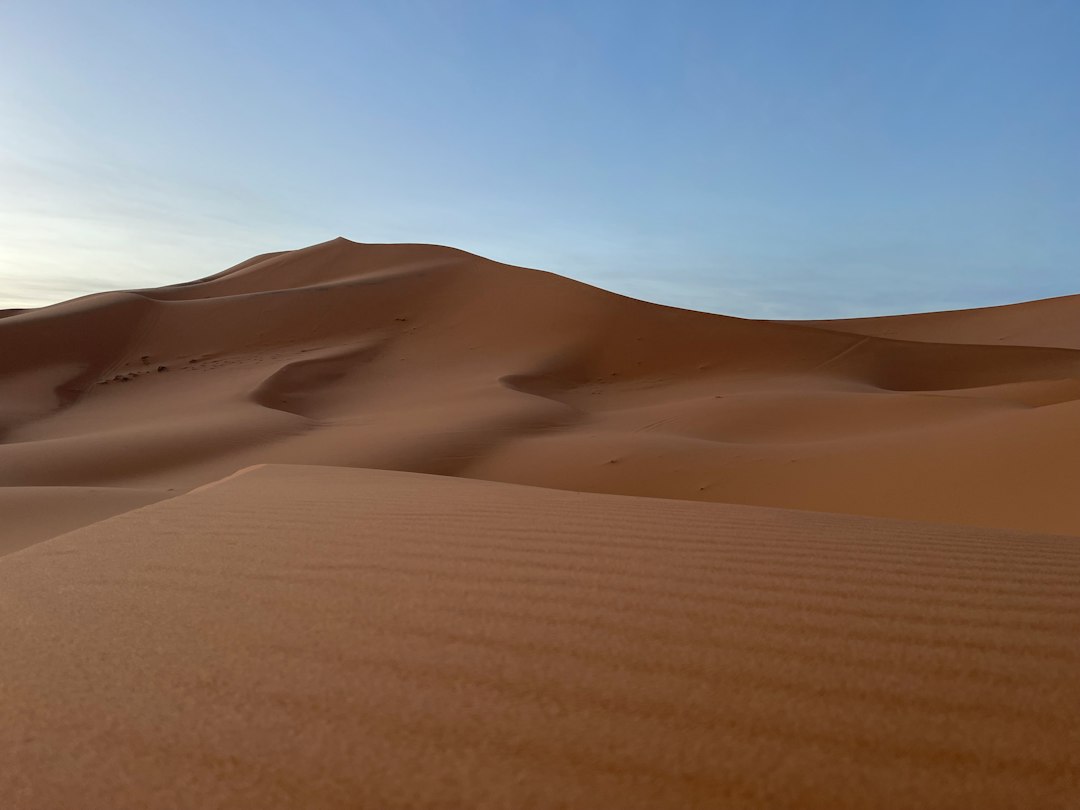
Agafay or the Sahara? Compare the landscapes, travel time, sunset experiences and best trip lengths before booking from...

- 21 Oct, 2026
Discover what happens at an Agafay desert dinner and show near Marrakech, from sunset timing and Moroccan food...

- 21 Oct, 2026
Compare quad biking and camel rides in Agafay Desert near Marrakech: pace, comfort, families, safety checks and combined...
- 21 Oct, 2026
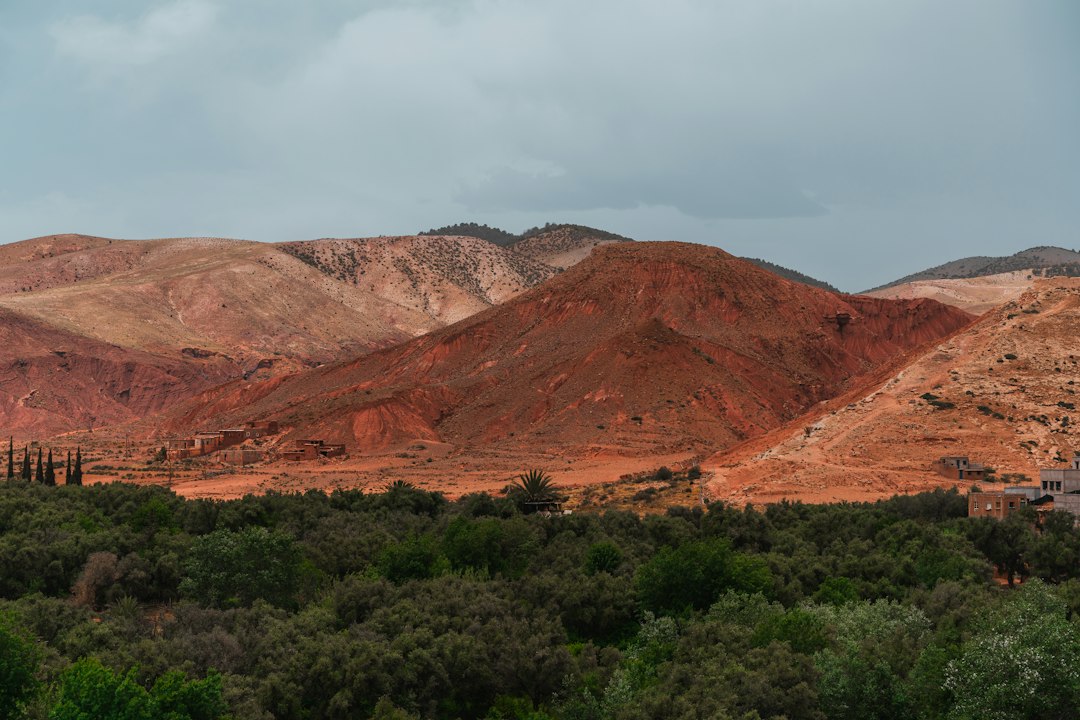
Compare the best day trips from Marrakech: Agafay, Ourika Valley, Ouzoud Waterfalls, Essaouira and Aït Ben Haddou, with...

- 21 Oct, 2026
Planning a Marrakech hot air balloon ride? Learn when flights take off, what to wear, how weather affects...

- 21 Oct, 2026
Plan an Ourika Valley day trip from Marrakech: Setti Fatma waterfalls, Atlas Mountain views, drive time, hiking difficulty,...